Tickets get people through the door. What guests spend once they are inside is what turns a good show into a good business, and food and drink is where most of that spend lives. This is how we think about spend-per-head when we design the bars for a world: what moves it, what kills it, and what it looks like when it works.
Spend-per-head, the number producers actually feel
Every production has one eye on ticket sales. The other eye, if the show is going to run past its first cast change, is on secondary spend: what each guest parts with once they are in the world. Divide the night's F&B takings by the number of guests through the door and you have spend-per-head. It is the number that decides whether your bar was scenery or a second box office. Underneath it sit the two numbers that do the real work: conversion rate, how many guests buy at all, and average transaction value, what they spend when they do.
The bar is the second ticket
A guest who bought a ticket has already decided your world is worth paying for. The bar is where they get to pay for more of it. That only works if the bar is part of the world: a serve that belongs to the story reads as more of the experience, and guests treat it that way. A generic lager in a plastic glass reads as a concession stand, and guests treat that exactly as it deserves. When we ran table service to 120 VIPs a day inside Secret Cinema's Guardians of the Galaxy warehouse, the drinks were not beside the show. They were in it. That is the difference between interrupting the evening and selling more of it.
In-world serves sell themselves
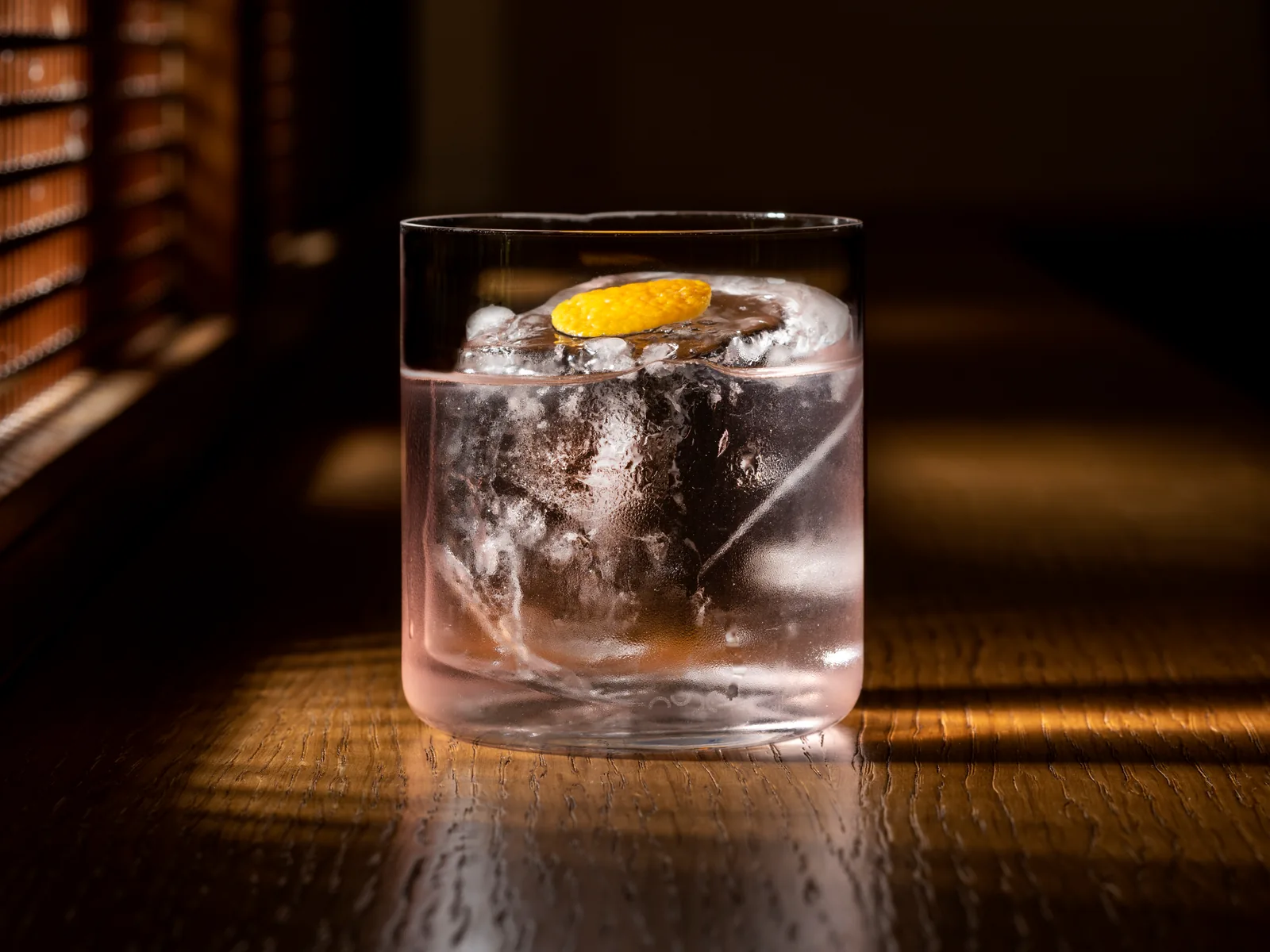
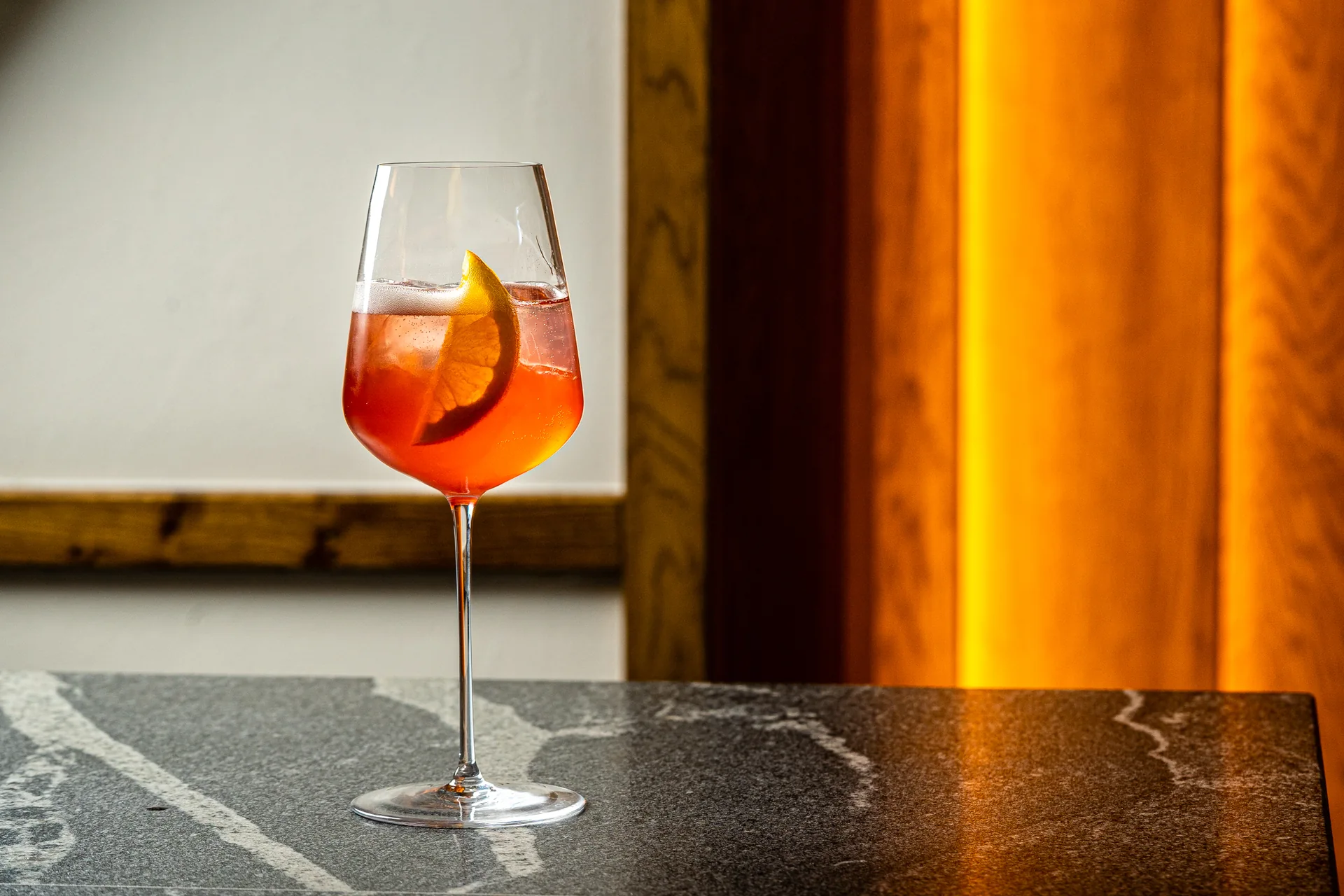
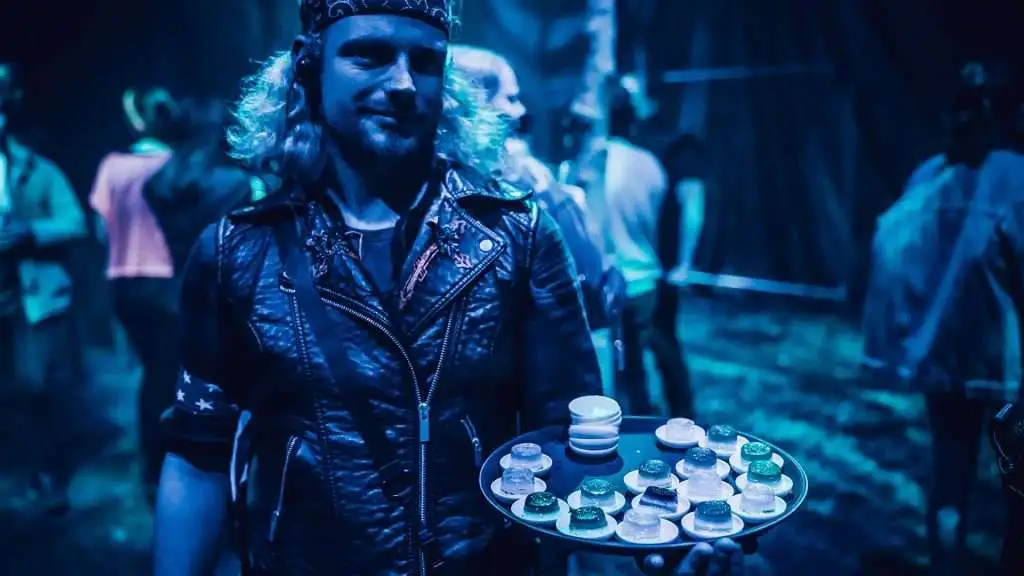
A signature serve designed for the story does three commercial jobs at once. It gives guests a reason to buy a drink they cannot get anywhere else, which softens price sensitivity: nobody comparison-shops a drink that only exists inside the fiction. It gets photographed, which sells the show. And it gets talked about on the way home, which sells the next one. Our brief for a signature serve is blunt: one drink that carries the world, designed to be photographed and reordered. Small upsells count too: at Dirty Dancing, Bridgerton and Guardians, jelly shots gave guests one more easy reason to buy.
Queues are where revenue goes to die
Spend-per-head has a physical ceiling: how many serves your bars can pour in the time guests actually have. Every minute spent queuing is a minute not spent watching, spending or planning the second round, and a guest who abandons a queue is revenue walking away with its mood soured. Speed is not a hospitality nicety. It is the revenue mechanism. So we design for pour speed at volume: serves that hold their quality at thousands a night, batching where the story allows it, and bar layouts that do not fight the room.
Kiosks, pre-orders and the maths of waiting
At Come Alive! The Greatest Showman at Earls Court, we built food and drink into the venue with ordering kiosks, so guests spent their evening watching rather than waiting. Kiosks and pre-ordering do quiet commercial work: they take orders while the bars pour, smooth the interval spike, and turn dead queue time into serve time. None of it is glamorous. All of it shows up in the spend-per-head.
What it looks like at scale
Scale is where the design earns its keep. The largest show we've run, Secret Cinema's Dirty Dancing, served 4,000+ guests a day at Kellerman's, including the Passoa bar on The Fairway. The post-show cafe we designed and ran at The Friends Experience put up to 1,600 people a day through the door. Numbers like those only hold when the serves, the bars and the teams were designed for them from the start. The same thinking works at a few hundred guests, it just has fewer zeroes to carry.
Questions, answered
Does this only work at Secret Cinema scale?
No. The largest show we've run served 4,000+ guests a day, but the mechanics, in-world serves, pour speed and queue design, work the same at a few hundred. Scale changes the logistics, not the logic.
Do you handle the food side too?
We design and organise the menus, and the cooking is done by trusted food partners. Drinks are our craft; the food gets the same story-first thinking.
What does it cost?
Every world is different, so the commercial model is agreed per project. What stays the same is the aim: serves, service and layout designed so the F&B carries its share of the production's revenue.
Planning one of these?
Immersive F&B